Song Wat Road: Bangkok’s Historic Wholesale Quarter Turned Hub for Cool Cafés and Vintage-Style Restaurants
Bangkok is often associated with gleaming shopping centres, rooftop bars and fast-moving business districts. Yet some of the city’s most memorable experiences are found in neighbourhoods where history remains visible in the buildings, shop signs and everyday rhythms of local trade. Song Wat Road, on the edge of Chinatown, is one of the best examples.
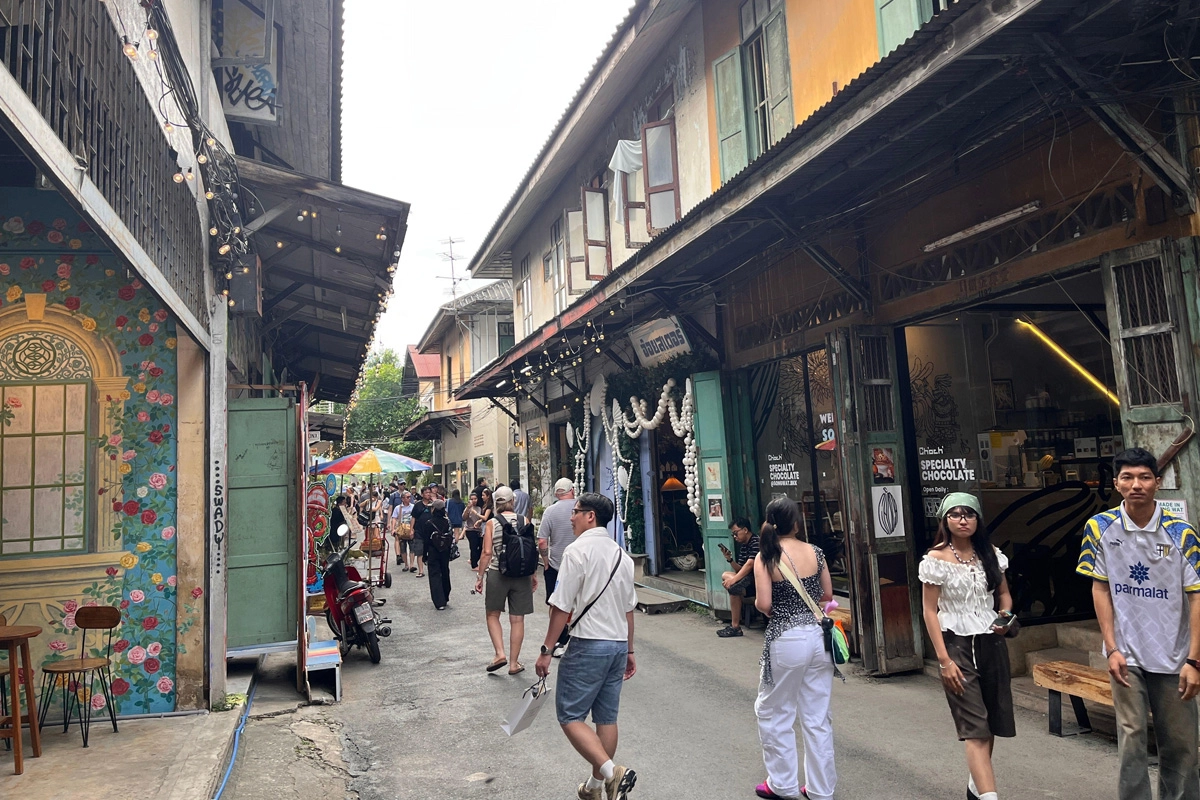
Once a major wholesale and riverside distribution district, Song Wat was lined with warehouses and family-run businesses dealing in spices, grains, dried goods and imported products. Many traditional businesses remain, but they now share the street with specialty coffee shops, restaurants, galleries, record stores and independent creative spaces. The result is not a manufactured heritage attraction, but a living commercial neighbourhood evolving without erasing its past.
From Riverside Trading Route to Bangkok Creative District
Song Wat Road was developed during the reign of King Chulalongkorn, or Rama V, after fires and overcrowding created a need for better urban planning around Sampheng. According to the story behind its name, the King personally drew the proposed route on a map. “Song Wat” can therefore be understood as a road “drawn by the King.”
Running close to the Chao Phraya River and connected to historic piers, the road became an important link between river transport and the markets of inner Bangkok. Goods arrived by boat, moved through warehouses and were distributed across the city. This commercial legacy can still be seen in old shopfronts, loading areas and long-established businesses operating beside newer hospitality and design ventures.
Why Song Wat Has Become One of Bangkok’s Most Appealing Neighbourhoods
Heritage Architecture with Real Character
Song Wat’s visual identity comes from rows of old shophouses, warehouses, metal shutters, wooden windows and hand-painted signs. Rather than hiding the age of these buildings, many new businesses preserve original walls, floorboards, ventilation blocks and weathered façades, adding contemporary furniture and lighting. The atmosphere feels industrial yet warm, nostalgic yet current.
Independent Cafés Designed Around Their Buildings
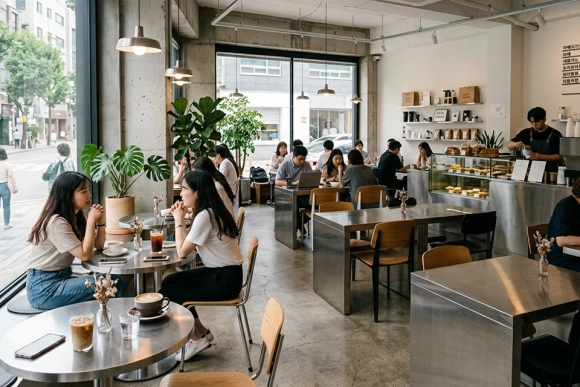
The café scene ranges from specialty coffee bars and dessert shops to tiny hideaways in side lanes and multi-purpose spaces combining art, music and retail. What makes these cafés memorable is not only the menu, but the way each venue responds to its building and surroundings.
One café may overlook the daily activity of wholesale shops, while another occupies a quiet upper floor with views across Chinatown’s rooftops. Song Wat is therefore ideal for an unhurried café-hopping afternoon. Choose one or two places that suit your mood rather than attempting every popular address.
Old-School Food and Contemporary Dining Side by Side
Food is central to the Song Wat experience. The wider neighbourhood offers Chinese-Thai comfort food, noodles, fried snacks, traditional sweets and ingredients supplied by long-running wholesalers. At the same time, a new generation of chefs and restaurateurs is reinterpreting local flavours in thoughtfully restored buildings.
Opening days vary and some venues have limited seating. Checking current schedules before travelling is recommended, particularly at weekends when well-known restaurants and cafés may develop queues.
Street Art, Galleries and Creative Shops
Murals appear on walls and in smaller lanes throughout the district, often referencing trade, Chinese heritage and riverside life. Visitors will also find galleries, craft studios, vinyl shops, design stores and small event spaces. These elements give Song Wat cultural depth beyond its reputation as a photogenic café neighbourhood.
A Half-Day Song Wat Road Itinerary
Morning: Begin at Wat Mangkon MRT Station
Start at Wat Mangkon MRT Station and walk through Chinatown, passing traditional medicine shops, gold stores and the market lanes around Sampheng. Arriving in the morning offers cooler temperatures and a chance to see Song Wat’s wholesale businesses in operation.
Late Morning: Coffee and Heritage Details
Stop for coffee, then continue on foot. Look closely at old signs, window frames, warehouse doors and restored façades. Song Wat rewards slow observation; many of its best details are easy to miss when moving quickly from one venue to another.
Lunch: Choose a Local Institution or New-Generation Restaurant
For a traditional experience, select a long-running Chinese-Thai eatery or noodle shop. Travellers looking for a more contemporary setting can choose a restaurant inside a renovated shophouse. On Saturdays and Sundays, having a second-choice restaurant is useful.
Afternoon: Continue to Talat Noi or Return to Yaowarat
After exploring Song Wat, continue towards Talat Noi for shrines, historic buildings and more street art. Alternatively, return to Yaowarat for an evening food walk. Song Wat, Chinatown and Talat Noi form a highly walkable old-town cluster that can easily fill an entire day.
How to Get to Song Wat Road
By MRT
Take the MRT Blue Line to Wat Mangkon Station, then walk through Chinatown and Sampheng towards Song Wat Road. This is a convenient option for visitors who want to explore on foot and avoid searching for parking.
By River Boat
Travelling on the Chao Phraya River and disembarking around Ratchawong Pier provides a fitting introduction to the district. Approaching by water also makes Song Wat’s historical role as a transport and distribution centre easier to appreciate.
By Taxi or Ride-Hailing Service
This option suits families, groups and travellers with limited mobility. Allow additional time during busy periods and choose a drop-off point that does not obstruct loading areas or active shopfronts.
Stay in Central Bangkok and Explore Song Wat with Ease
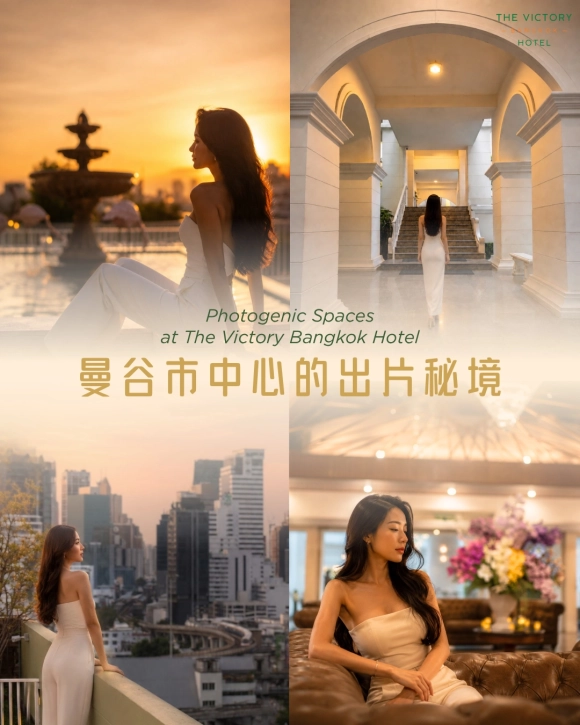
For travellers planning to visit several parts of Bangkok, accommodation near the rail network can make each day considerably easier. The Victory Bangkok Hotel is located in the Phaya Thai area, close to Victory Monument BTS Station, providing a practical base for exploring shopping districts, city attractions and Bangkok’s historic quarters.

From the hotel, guests can use the BTS and connect to the MRT for Wat Mangkon Station before beginning a Chinatown and Song Wat itinerary. Returning to the Victory Monument and Phaya Thai area also provides convenient access to dining, transport and everyday services after a full day of walking.
Practical Tips for Visiting Song Wat
Choose the Right Day and Time
Weekdays are generally better for relaxed photography and observing local trade. Weekends feel livelier but can be crowded. Starting in the morning or later in the afternoon helps avoid the strongest heat.
Wear Comfortable Walking Shoes
The pleasure of Song Wat comes from exploring connected streets and narrow lanes. Supportive, breathable footwear will make a half-day or full-day visit more comfortable.
Check Opening Hours in Advance
Cafés, restaurants and galleries often have different weekly closing days. Some accept reservations, while others have limited seating. Confirm current information directly with each venue.
Respect the Working Neighbourhood
Song Wat remains an active commercial area. Avoid blocking warehouse doors, handcart routes or loading zones while taking photographs, and ask permission before photographing people or private interiors.
Frequently Asked Questions About Song Wat Road
Is Song Wat Road close to Chinatown?
Yes. Song Wat is in Samphanthawong district and connects naturally with Yaowarat, Sampheng and Talat Noi. The areas can be combined in a single walking itinerary.
How long should I spend on Song Wat Road?
Allow half a day for architecture, coffee and lunch. A full day is more suitable when combining Song Wat with Chinatown and Talat Noi.
Is Song Wat suitable for children and older travellers?
It can be, although some pavements are narrow and delivery vehicles remain active. Plan regular rest stops, avoid the hottest hours and consider using a taxi for part of the journey.
What is the best time to visit?
Morning is best for seeing the wholesale district at work, while late afternoon is comfortable for cafés and dinner before continuing to Yaowarat.
Song Wat: Old Bangkok Telling a New Story
Song Wat Road is compelling not simply because it has attractive cafés or fashionable restaurants, but because its past and present remain visibly connected. Warehouses, wholesale shops, Chinese-Thai community life, street art and new independent businesses all contribute to a neighbourhood unlike anywhere else in Bangkok.
Whether you visit for coffee, food, photography or urban history, walking slowly through Song Wat reveals an important lesson: heritage does not have to remain frozen in time. Here, one of Bangkok’s historic riverside trading districts continues to change while retaining the character that made it significant in the first place.